Best personal loans
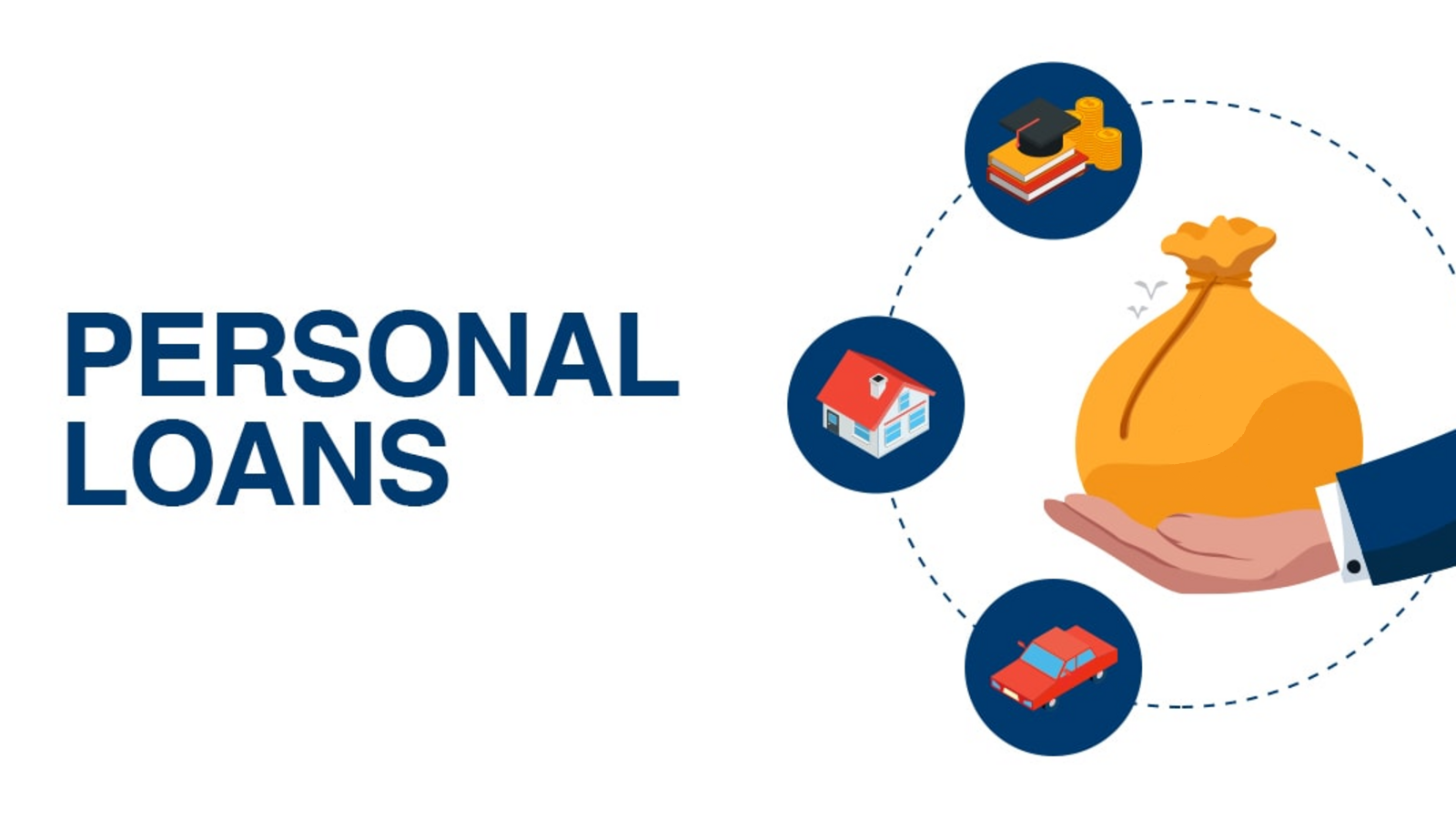

Looking for the best personal loans available in 2023? Start by considering LendingClub for a flexible option that offers both competitive rates and personalized service. LendingClub stands out thanks to its seamless application process and an easy-to-navigate platform that caters to diverse financial needs. Whether you're consolidating debt or planning a major purchase, LendingClub provides adaptable terms that can fit any budget.
Next, Sofi emerges as a frontrunner for those searching for comprehensive financial support. With zero fees and a plethora of tools for credit monitoring and budgeting, Sofi goes beyond traditional lending. It offers a holistic approach to managing finances, making it a great choice for tech-savvy borrowers who appreciate convenience and innovation.
For individuals prioritizing speed and ease, LightStream might be the ideal selection. This service provides swift approval processes and funding that often arrives on the same day. LightStream prides itself on offering some of the lowest rates for borrowers with good to excellent credit. Their rate-beat program ensures you receive the most competitive terms available.
Want the benefits of a personal touch? Consider PenFed Credit Union. Known for its outstanding customer service, PenFed offers personalized loan options with a focus on member satisfaction. Their competitive rates and fee structure make them an appealing choice for those who prefer a more traditional approach to borrowing.
In choosing the right personal loan, it's essential to evaluate your specific financial situation and priorities. These options present a range of benefits tailored to various needs, ensuring that every borrower can find a suitable solution in 2023.
Understanding Interest Rates and APR for Personal Loans
Consider fixed versus variable interest rates when evaluating loan options. Fixed rates remain constant throughout the loan term, ensuring predictable monthly payments. On the contrary, variable rates can fluctuate based on market conditions, potentially leading to increased costs over time. Assess your risk tolerance and financial stability before deciding.
The Impact of APR
Annual Percentage Rate (APR) provides a more comprehensive view of loan costs than the nominal interest rate, as it includes any fees or additional charges. Ensure you're comparing loans based on APR rather than just the interest rate to accurately gauge the total cost of borrowing. This helps in identifying any hidden charges that could potentially affect your repayment plan.
Strategies for Securing Better Rates
Enhancing your credit score can significantly improve your chances of securing favorable loan terms. Lenders often offer lower interest rates to borrowers with good credit histories. Regularly review your credit report for errors and strive to keep your debt-to-income ratio low. Additionally, consider negotiating terms with lenders, especially if you have a strong financial standing.
Comparing Secured vs. Unsecured Personal Loans
When choosing between secured and unsecured personal loans, evaluate your financial situation and risk tolerance. Secured loans require collateral, such as a car or savings account, which can lower interest rates, making them appealing if you need a larger amount or longer repayment period. However, the risk is losing your asset if you default.
On the other hand, unsecured loans do not require collateral, posing less risk to your personal property but often come with higher interest rates. They are generally easier to obtain if you have a good credit score, offering quicker access to funds without putting assets on the line.
To make an informed decision, assess your ability to manage repayment and consider your credit history. If your credit score is strong, an unsecured loan might offer favorable terms. For those with lower credit scores, a secured loan might provide a more cost-effective option. Always compare offers from different lenders and read the terms and conditions carefully to find the best fit for your needs.
Evaluating Credit Score Requirements for Loan Approval
To increase your chances of loan approval in 2023, start by identifying the minimum credit score requirements set by different lenders. Most lenders generally consider credit scores above 670 as "good," but some may have more lenient requirements, starting at a score of 580. Knowing these thresholds allows you to strategically target the right lenders and products.
Regularly checking your credit report is crucial to ensure it accurately reflects your financial history. Dispute any inaccuracies you find to potentially raise your score and improve your approval odds. Consider tools like credit monitoring services that alert you to changes in your report and score.
Improving Your Credit Score
Timely bill payments and keeping credit utilization below 30% are actionable strategies to boost your score over time. Additionally, seek to diversify your credit mix by responsibly taking on different types of credit. When possible, work on decreasing your debt-to-income ratio, as lenders view this favorably.
Pre-Approval Processes
Many lenders offer a pre-approval or pre-qualification process, which lets you understand potential loan terms and conditions without a hard inquiry on your credit report. Utilize these tools to refine your options and approach lenders that align with your financial profile. This reduces unnecessary credit checks, thereby protecting your score.
Ultimately, understanding and managing your credit score is crucial for securing favorable loan terms. Take proactive steps to maintain or enhance your credit health, and you'll be well-positioned for loan approval success.
Pros and Cons of Fixed vs. Variable Interest Rates
Choosing the right type of interest rate for your personal loan can significantly impact your financial planning. Here, we'll explore the pros and cons of fixed and variable interest rates to help you make an informed decision.
Fixed Interest Rates
- Predictability: Fixed rates remain constant throughout the loan term, making it easier to budget for consistent monthly payments.
- Protection: You are protected from fluctuations in interest rates, which could potentially lead to higher costs over time.
- Typical Scenario: This option is beneficial if current interest rates are low and you're concerned about future increases.
- Limited Flexibility: Unlike variable rates, fixed rates do not decrease, even if the market rate falls, potentially making them costlier if rates decrease.
Variable Interest Rates
- Potential Savings: Variable rates often start lower than fixed rates, offering potential savings if rates remain stable or decrease.
- Flexibility: If market rates decrease, your payment could decrease, leading to savings during the loan term.
- Risk Factor: Your payments can increase significantly if market rates rise, leading to potential financial stress.
- Best Use: Ideal for borrowers who expect to pay off the loan quickly or anticipate stable interest rates.
Deciding between fixed and variable interest rates depends on your financial goals and risk tolerance. If you prefer stability and predictability, a fixed rate might be suitable. However, if you're comfortable with potential rate changes and seek initial cost savings, consider a variable rate. Carefully evaluate your personal situation to determine which option aligns best with your financial plan.
How to Assess Fees and Penalties in Loan Agreements
Read the loan agreement thoroughly to identify any upfront fees such as application or origination fees, which can increase the overall cost of the loan. Ensure you understand how these fees are calculated, as they could be a flat fee or a percentage of the loan amount.
Examine the fine print for prepayment penalties. These are charges incurred if you pay off your loan earlier than the scheduled term. Verify the conditions under which the prepayment penalty applies and whether it decreases over time.
Look out for late payment fees, which can significantly affect your budget if you miss a payment. Clarify how these fees are applied and whether there is a grace period before they are enforced.
Investigate whether there are any fees for insufficient funds, which may be charged if your account balance is too low to cover a payment. Understanding these will help you avoid unexpected charges that could hurt your financial standing.
Confirm the process and fees related to extending or modifying your loan. Some lenders may allow changes to the payment schedule in exchange for a fee. Knowing this can provide flexibility but also additional cost.
Consider reaching out to the lender for clarification on any fees you find unclear. A transparent lender will provide all necessary details, which can help you make an informed decision.
Navigating Online vs. Traditional Lenders for Personal Loans
Start with assessing your specific needs. Online lenders usually offer faster approval processes, often providing a decision within a few hours, making them ideal for urgent requirements. By contrast, traditional banks and credit unions may take longer due to more comprehensive procedures, yet they often offer a face-to-face experience that's valuable for those who appreciate in-person interactions.
Next, consider the interest rates and terms. Online lenders frequently have flexible rates and terms, appealing to a broader audience with different credit standings. In comparison, traditional institutions might have more competitive rates for those with excellent credit histories. It's crucial to compare the total cost, including any origination fees and interest over the life of the loan, across both types of lenders before making a decision.
Also, evaluate the customer service quality and support options. Online lenders typically provide digital customer support like live chat and 24/7 email contact, ensuring assistance is available whenever you need it. On the other hand, traditional lenders offer personal contact with loan officers who can provide tailored advice and support.
Additionally, explore the credit score requirements. Online lenders might cater to those with lower credit scores by using alternative data to assess creditworthiness, whereas traditional lenders often adhere to stricter credit criteria. If your credit score is less than perfect, exploring online options may yield more possibilities.
Finally, ensure you understand the technological aspects involved. Online lenders require you to be comfortable with digital platforms for loan management, while traditional lenders often offer both online and offline management options. Choose the method that aligns best with your comfort level and preferences.